A luxe rendezvous between time-honored handcrafting and modern bedding science, this comparative guide dives into how two premium brands approach sleep luxury. Vispring and Aireloom each craft mattresses that speak to discerning sleepers who demand materials, construction, and lasting comfort that stand the test of time. From traditional hand-tufting to innovative support systems, the brands illuminate what makes a luxury mattress truly superior—and how to evaluate these distinctions when evaluating your next investment in sleep.
Vispring and Aireloom occupy adjacent corners of the luxury sleep landscape, yet they originate from different design philosophies that inform every layer of their mattresses. Vispring is widely celebrated for its traditional hand-tufted construction and the extensive use of natural materials such as natural latex, wool, horsehair, cashmere, and cotton. This approach is deeply rooted in classic European upholstery techniques, where the emphasis is on layered, breathable comfort that evolves with you night after night.
Aireloom, while equally steeped in a legacy of craftsmanship, leans into a lineage of hand-tailored construction that pairs reinforced support systems with innovative zoning and reinforcement. The brand has a history of evolving support architectures that adapt to varying body types and sleep positions, often marrying artisanal craft with technology-informed design choices. The result is a sleep surface that aims to be both highly personalized and enduring, with attention paid to longevity and consistent performance over time.
In short, Vispring embodies a traditional, material-driven ethos that honors natural components and hand-finishing. Aireloom emphasizes a balance between artisan tailoring and modern engineering to sculpt sleep experiences that feel both classic and contemporary. For shoppers, the dichotomy offers a spectrum: natural textures, bespoke layering, and the tactile rewards of a handcrafted mattress versus the meticulously engineered reinforcement and adaptive support that can respond to different sleepers across a lifetime.
Natural latex is a cornerstone in both Vispring and Aireloom lineups, though it appears in different configurations. In Vispring mattresses, latex often contributes to a breathable, buoyant surface that supports pressure relief without sinking excessively. The material choices—such as wool, cotton, and cashmere—are layered to regulate temperature, wick moisture, and promote airflow, helping sleepers maintain a balanced microclimate through the night.
Aireloom’s material strategy typically includes reinforced layers designed to sustain proper spinal alignment and targeted support. While natural fibers remain important, the emphasis frequently shifts toward engineered support zones and careful stitching patterns that stabilize the surface for long-term durability. Cashmere, wool, and cotton may appear as comfort touchpoints, but the overarching design aims to preserve structural integrity while still delivering a plush, responsive feel.
Temperature regulation, moisture management, and edge support are influenced by these materials. Natural fibers breathe and regulate without the chemical additives that can sometimes accompany synthetic foams, while latex provides bounce and resilience that can translate to fewer body impressions over time.
Vispring’s hand-tufted construction is a hallmark of its luxury identity. Tufting threads bind coil springs with the upper layers to create a uniform, stable sleeping surface that resists shifting with movement. The hand-finishing process contributes to a bespoke feel and ensures that each layer remains aligned as the mattress settles. The interplay of pocketed springs, natural fillings, and outer casings culminates in a surface that both supports and relieves pressure in a balanced manner.
Aireloom’s approach often centers on reinforced support systems designed to guard against sagging and to sustain spinal alignment across different zones. The use of hand-tailoring, coupled with strategic stitching and edge reinforcement, contributes to a durable edge-to-edge feel. This design philosophy aims to deliver consistent performance across a wide range of body types and sleeping positions, with attention paid to long-term stability rather than short-term impression resistance alone.
In both brands, the construction quality translates into a premium steering wheel for sleep: predictable support, careful material balance, and a surface that remains comfortable across many nights of use. The differences lie in the storytelling of the layers—Vispring often emphasizing traditional luxury materials and time-honored techniques, Aireloom highlighting the synergy of artisan craft and modern engineering.
When evaluating Vispring vs Aireloom, the first instinct is to map firmness to sleep position and preference. Vispring’s layering often yields a classic, balanced firmness that can feel substantial but not overly rigid, depending on the model and the chosen latex and wool combinations. Aireloom’s hand-tailored configurations may offer a broader spectrum of feel within the same model family, thanks to adjustable zones and the potential for different weave and padding selections. Test carefully: lie on your back, side, and stomach; pay attention to pressure points at shoulders, hips, and lumbar region; and note how the surface responds after a few minutes of settling in.
Durability is closely tied to materials and construction. Look for core support layers—pocketed coil systems, reinforced edges, and how the layers are secured. Natural fibers like wool and cashmere can contribute to longevity through resilience and temperature regulation, but the quality of stitching, the integrity of the casing, and the precision of layer alignment are equally critical. A well-crafted mattress should maintain its shape and supportive characteristics for years, with gradual, predictable changes rather than abrupt sagging or inconsistent compression.
Warranty terms are a practical lens into a brand’s confidence in its product. Luxury brands often back their creations with long warranties, sometimes 10–20 years, that cover manufacturing defects and significant loss of performance. Read the fine print: what constitutes “normal wear,” how coverage is activated, whether there are required rotations, and if there are exclusions related to improper foundation or mishandling. A strong warranty is not just a promise of replacement; it’s a sign that a brand stands behind its craftsmanship and design integrity.
Finally, consider the overall ownership experience. Hand-tufted, natural-material mattresses often involve a longer break-in period as the materials settle into their final shape. If possible, compare in a showroom to get a sense of how each brand’s surface responds to your weight and pressure distribution. If you must shop online, seek brands that provide robust, transparent material specifications and generous trial periods that allow you to evaluate the feel within the comfort of your own bedroom.
Luxury mattresses from Vispring and Aireloom typically command premium prices reflected in the craftsmanship and material selection. The value proposition rests in long-term comfort, durability, and the satisfaction of owning a sleep surface that aligns with your preferences for natural materials or engineered supports. While price is a consideration, it’s equally important to weigh expected lifespan, warranty coverage, and the quality of customer support and aftercare—elements that compound the overall return on investment for a premium mattress.
For buyers who prize sustainability and natural materials, Vispring often resonates with a traditional ethos that prioritizes lofty natural fillings and enduring, artisanal methods. For sleepers who appreciate a blend of artisan craft and adaptive engineering, Aireloom offers a compelling combination of personalizable features and durable construction, designed to sustain comfort across changing sleep needs over time.
Beyond the technical specs, Vispring and Aireloom present distinct sensorial experiences. Vispring’s aesthetic often exudes a classic, almost heirloom aura, with deep button-tufted surfaces and rich upholstery that feel like luxury furniture you sleep on. Aireloom communicates an equally refined look, with sleek lines, precise tailoring, and a sense of modern managerial luxury—an invitation to a sleep ritual that balances tradition with a contemporary lifestyle.
The ritual matters because sleep engineering is as much about perception as it is about biomechanical support. The way a mattress looks, sounds, and feels when you lie down contributes to relaxation cues that help your body release tension and prepare for restful sleep. If you value a certain tactile mood—whether you crave the plush promise of a soft embrace or the steady reassurance of a firmer surface—these sensory cues guide your choice as much as objective metrics do.
Across the premium segment, customer feedback often highlights the immediate gratification of a luxury feel and the long-term appreciation for materials that age gracefully. People frequently describe Vispring as delivering a traditional luxury experience with a tactile depth that communicates craftsmanship. Aireloom buyers often emphasize the satisfaction of a tailored fit—where the mattress seems to adapt to the sleeper’s contours without sacrificing support. In both cases, a thoughtful purchase considers personal preferences, body type, and sleep posture, as well as the practical realities of ownership, such as foundation compatibility, delivery, installation, and a clear plan for care.
If you’re evaluating these brands, use a structured approach: identify your preferred firmness level, assess how you typically move during the night, and consider any temperature or allergy sensitivities. Then map those findings onto the known material strategies of Vispring and Aireloom, and test accordingly in a showroom if possible. The goal is a sleep surface that feels right immediately and remains supportive for years to come.
Vispring and Aireloom both set a high bar for luxury mattress craftsmanship, offering distinct paths to comfort built on centuries of upholstery nuance and contemporary engineering. Whether you are drawn to Vispring’s heritage-rich materials and hand-tufted elegance or Aireloom’s modern, zone-focused reinforcement and tailor-made potential, the decision rests on aligning your sleep needs with the brand’s core strengths. In the end, a true luxury mattress should feel like a trusted ally—supporting your spine, responding to your movements with poise, and aging with dignity as your sleep routine evolves.
As you explore, remember the practical pillars: material integrity, construction quality, feel across different positions, durability indicators, warranty depth, and the ownership experience. The right mattress is not just an object; it’s your partner in countless nights of rest, recovery, and renewal.
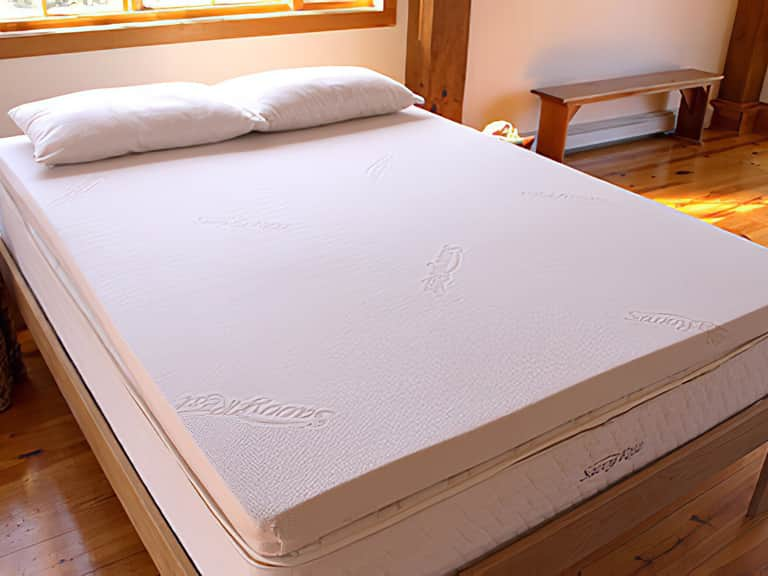
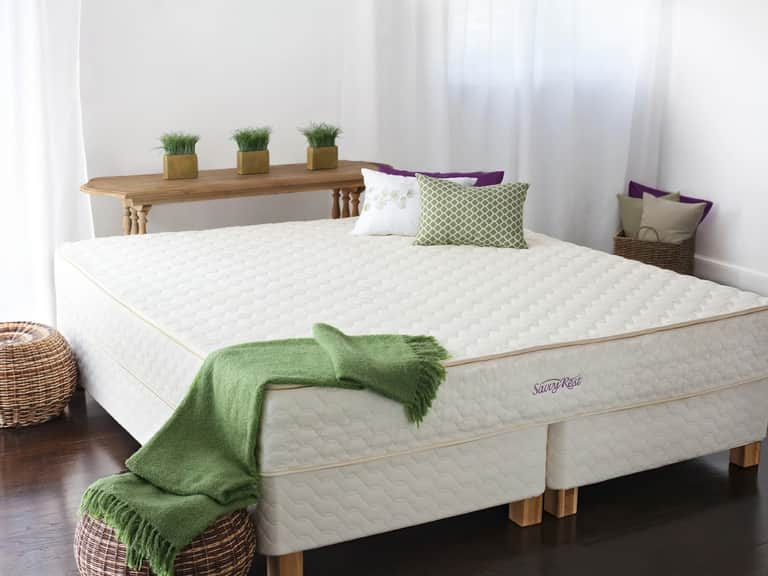
For readers who want to explore premium latex-based comfort within a framework of natural materials, the Savvy Rest Serenity Latex Mattress offers customizable layer configurations with organic wool, organic cotton, and latex. While not a Vispring or Aireloom product, Serenity’s emphasis on natural materials and personalized firmness aligns with the luxury ethos discussed above. If you’re considering a latex-based foundation for a tested, environmentally conscious sleep surface, this is a notable option to understand within the broader landscape of luxury, resource-conscious bedding.
Savvy Rest Serenity Latex Mattress details: The Serenity is a 10-inch organic latex mattress with customizable layers (soft, medium, firm) made from Dunlop and Talalay latex, encased in organic cotton with organic wool quilting. Made in the USA, it carries a 20-year warranty and offers a 90-day layer-exchange policy to help perfect the configuration. For shoppers curious about flexible layering and organic construction, Savvy Rest’s Serenity provides a practical reference point for how natural materials can be engineered into a luxurious sleep experience.
Note: The Savvy Rest Serenity is included here as an example of high-end natural materials within a broader market context. It is not a Vispring or Aireloom product, but it demonstrates how luxury brand values can extend across different manufacturing philosophies while maintaining a shared commitment to quality and comfort.